DOE Grant to Le 91心頭利嫋 to Fund Arabic Language Course and Other Initiatives
Le 91心頭利嫋 College��has been selected for an��award of more than $150,000 from the U.S. Department of Education for a grant as part of the Undergraduate International Studies and Foreign Language (UISFL) program. The grant, which will cover the 2022-23 and 2023-24 academic years, was one of only 18 awarded to colleges and universities in the U.S.
This grant will allow Le 91心頭利嫋 to:
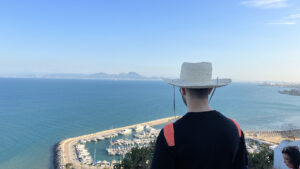
揃��������������Pilot a study-abroad program in summer 2023 at the Institut Bourguiba des Langues Vivantes (IBLV) in Tunis;
揃��������������Enrich the��Peace and Global Studies��program��with an additional academic track focused on Middle East and Islamic Studies;
揃��������������Plan a series of cultural and educational activities involving local refugee communities, and;
揃��������������Create a��learning��community around cultural and social issues in the Middle East and North Africa.
���First of all, this grant is important for Le 91心頭利嫋 because it promotes the formation of much-needed language experts in the less-commonly taught languages such as Arabic,��� said Douja Mamelouk, Ph.D., program director for Middle East and Islamic Studies. “It will also support the creation of academic track within Peace and Global Studies with the help of the grant��Co-Director��Dr.��Delia Popescu; the new PGS track will allow interested students to major in this area of study.��Secondly, the grant will offer support��for campus faculty from all disciplines to integrate the Middle East and North Africa (MENA) region or any area of the Islamic world into their existing courses.���
This past summer Dr. Mamelouk, with the support of the Provost���s Office, traveled to Tunis and observed IBLV classes that provides intensive one-month Arabic language training (as well as other languages such as French) during the academic year. ���I was surprised by the energy that the professors injected into their classrooms,��� said Mamelouk. ���Students at IBLV’s��Arabic summer sessions come from 38 different countries and Le 91心頭利嫋 students will benefit from being exposed to other international students while living in an Arabic-speaking Mediterranean country with a rich and diverse history.���
The grant will eventually help with a national shortage in qualified Arabic linguists. With 22 Arab countries, there are many different spoken dialects, but Modern Standard Arabic (MSA) is commonly taught in schools. Mamelouk stated ���One cannot claim they know Arabic without many hours, days and even years of contact hours and in-class (as well as out-of-class) instruction. The grant will allow students to improve their Arabic language skills and become competitive at the national level.���
The goal at Le 91心頭利嫋 is to see more students enrolled in Arabic language classes. This semester there are 20 students in Arabic 101, and Mamelouk hopes to see 15 students continue with their Arabic learning at the intermediate 200 level and, eventually, have 10 to 20 students sign up for the MEIS minor every year. In addition, she notes, part of the grant will go to the creation of a��living��learning��community on campus that is inclusive of commuter students for those interested in the MENA region and the Islamic world at-large.
In addition to project director Mamelouk and co-director Popescu, the grant team is comprised of History Professor Dr. Robert Zens, Religious Studies Associate Professor Dr. Elliott Bazzano, and Political Science Assistant Professor Dr. Yunus Sozen.��Others contributing to the grant were Senior Director, Government and Foundation Relations Steve Kulick, who oversaw the grant application, and Associate Provost Mary Collins, who allocated the match stipulated by the grant and worked on its development.